Fiber Applications
Advanced Fiber Reinforcement for Concrete Systems
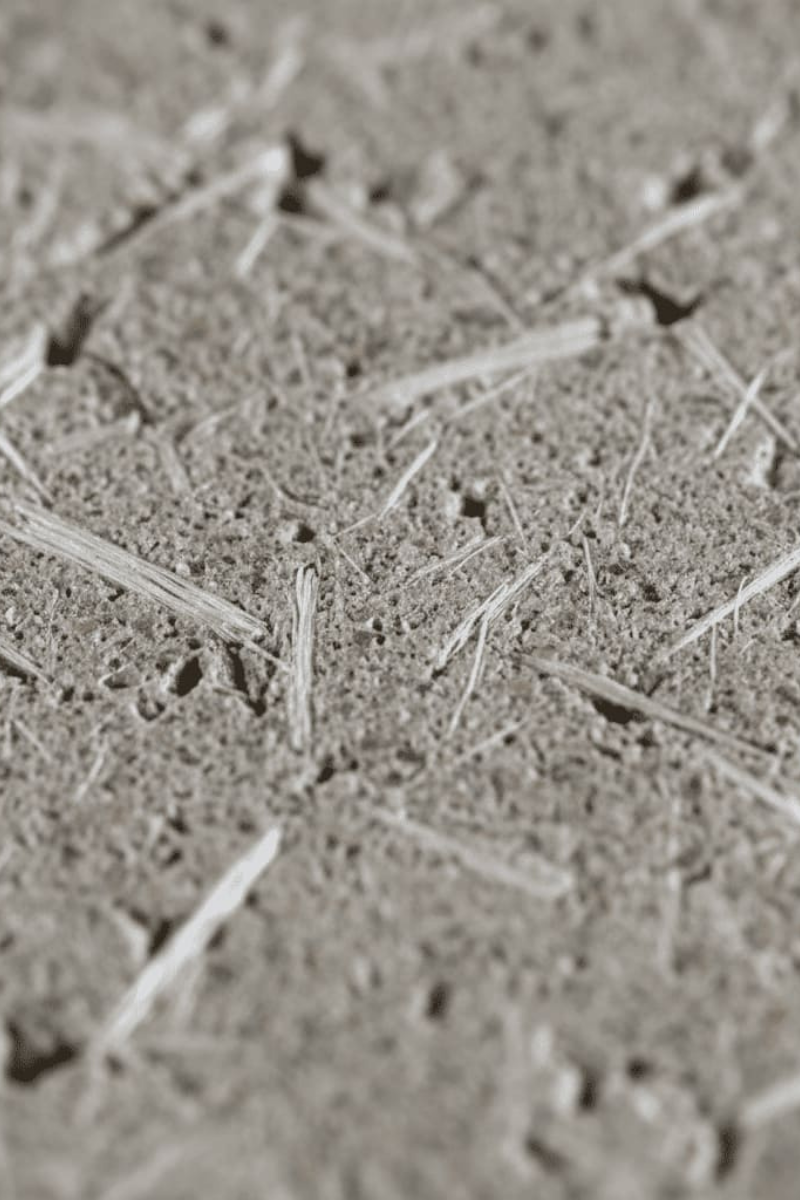
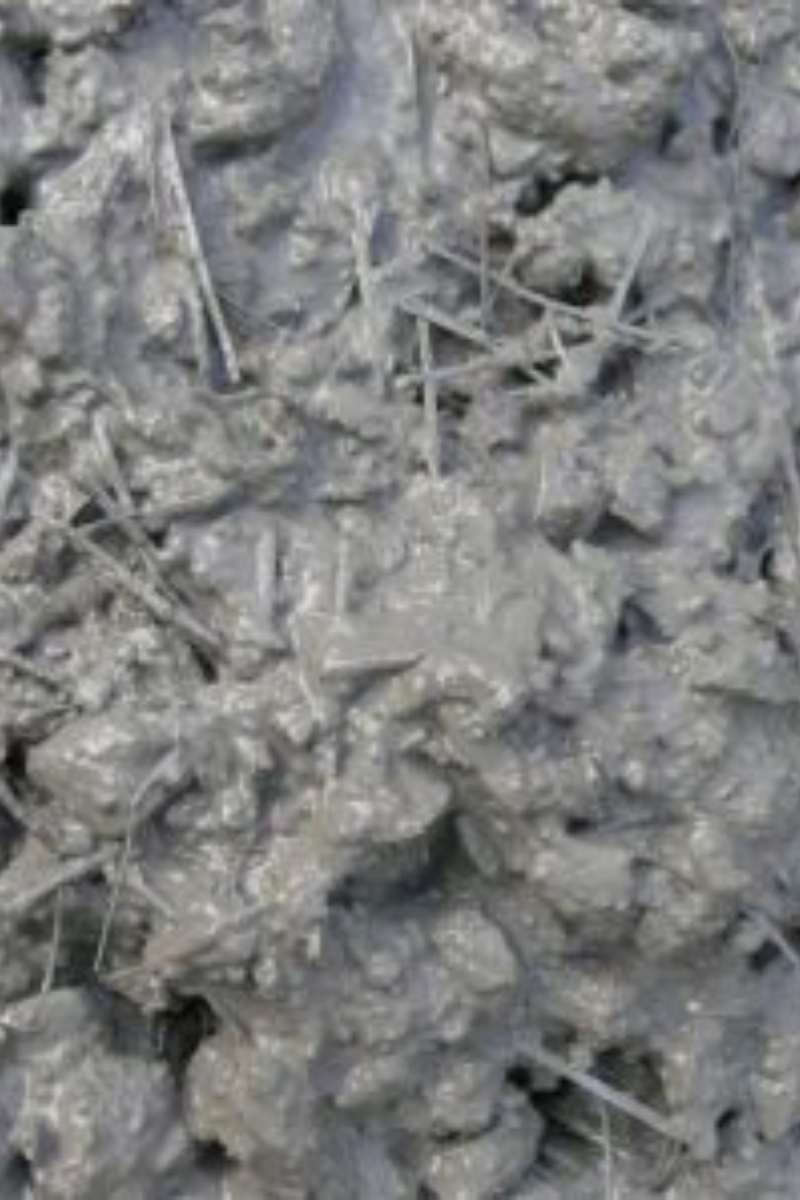
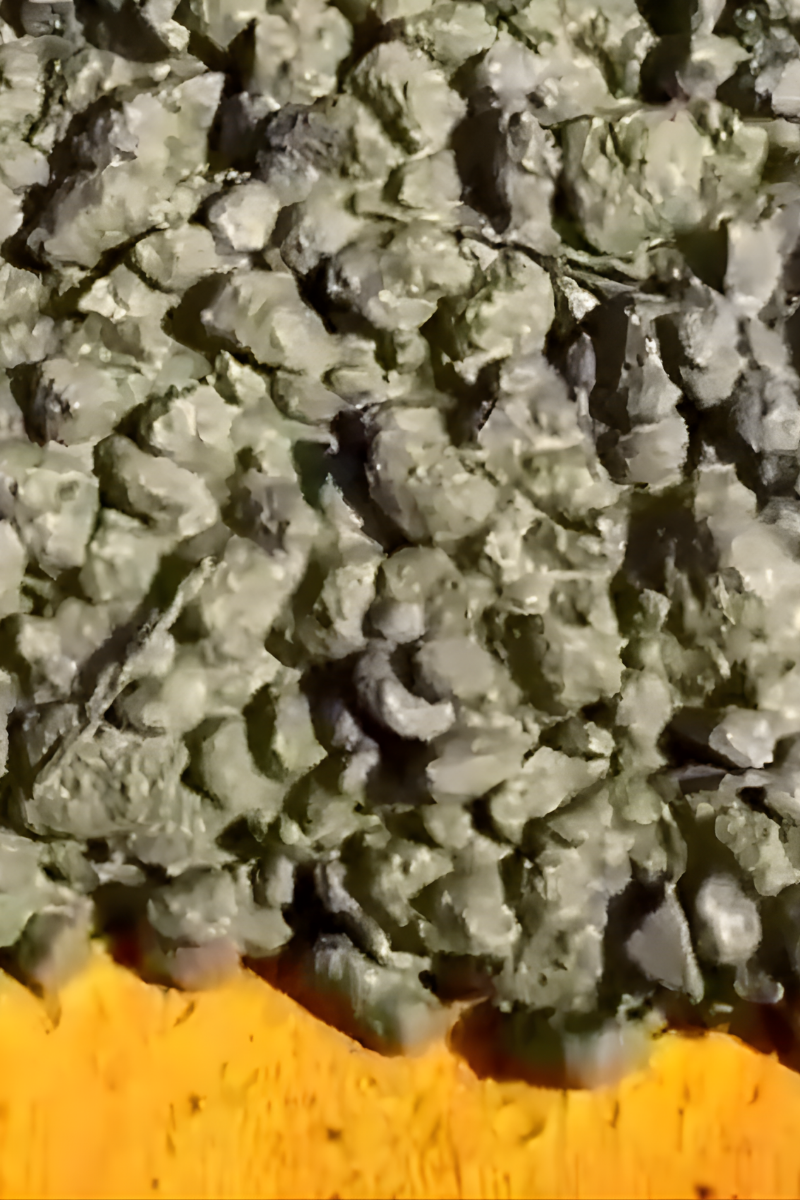
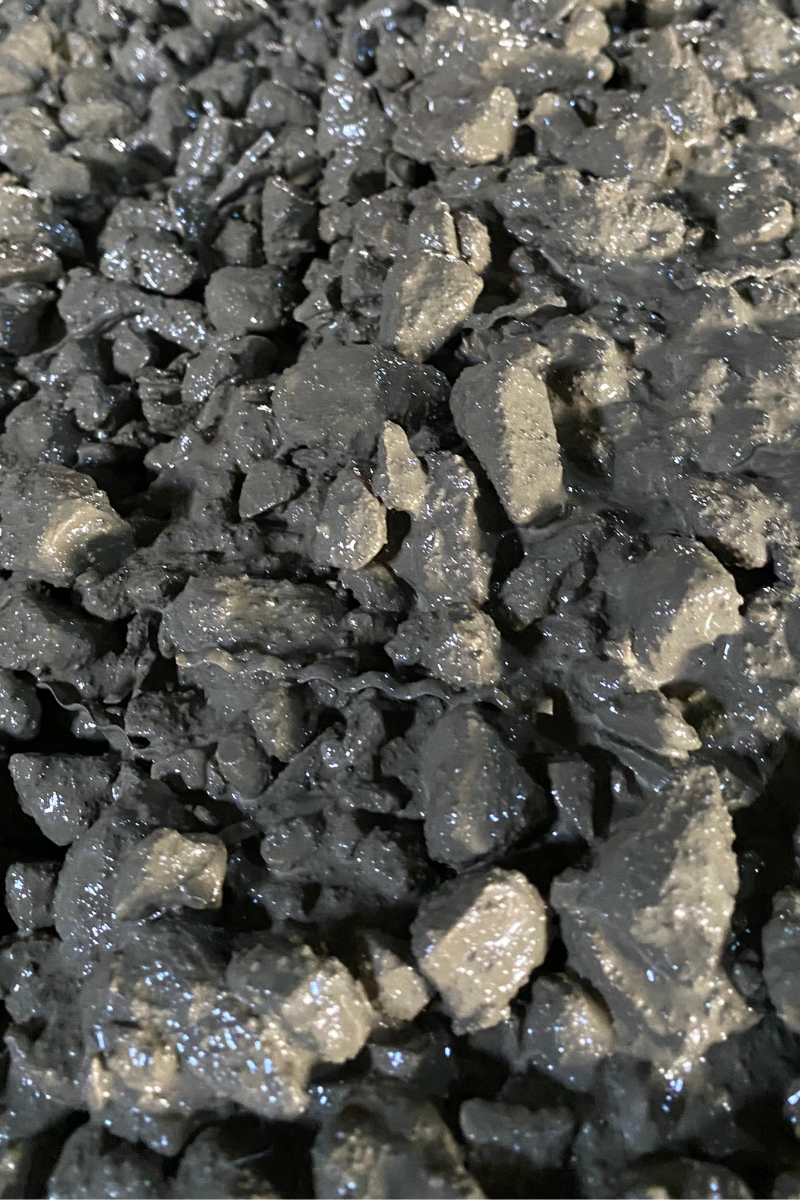
Fiber reinforcement has become an essential component in modern concrete engineering, providing improved crack control, durability, and structural performance in a wide range of construction applications.
At Egyptian European Steel Fiber (EESF), fibers are not supplied as standalone additives. They are integrated into engineered concrete systems designed to meet specific structural and operational requirements.
Our steel and synthetic fiber solutions are used in applications where performance, durability, and efficiency are critical.


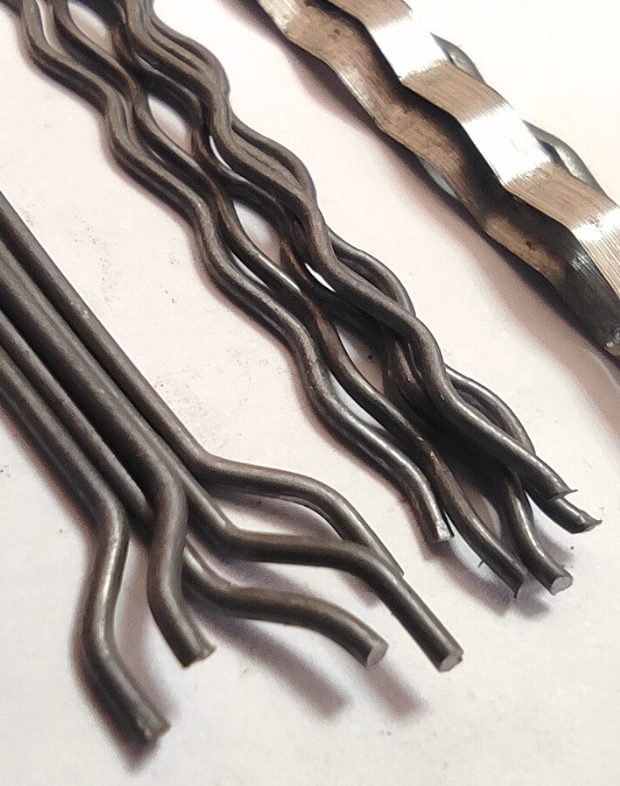
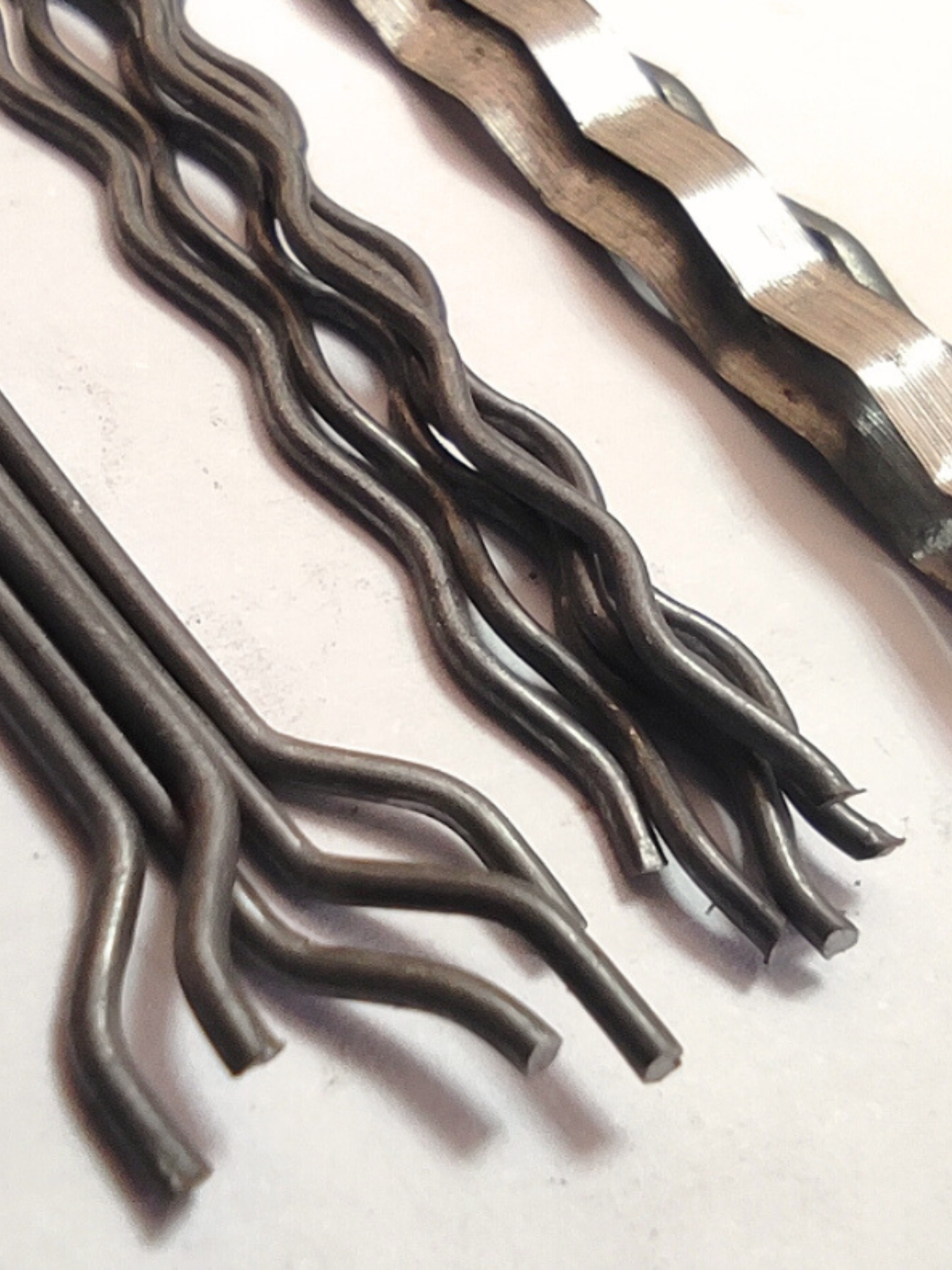
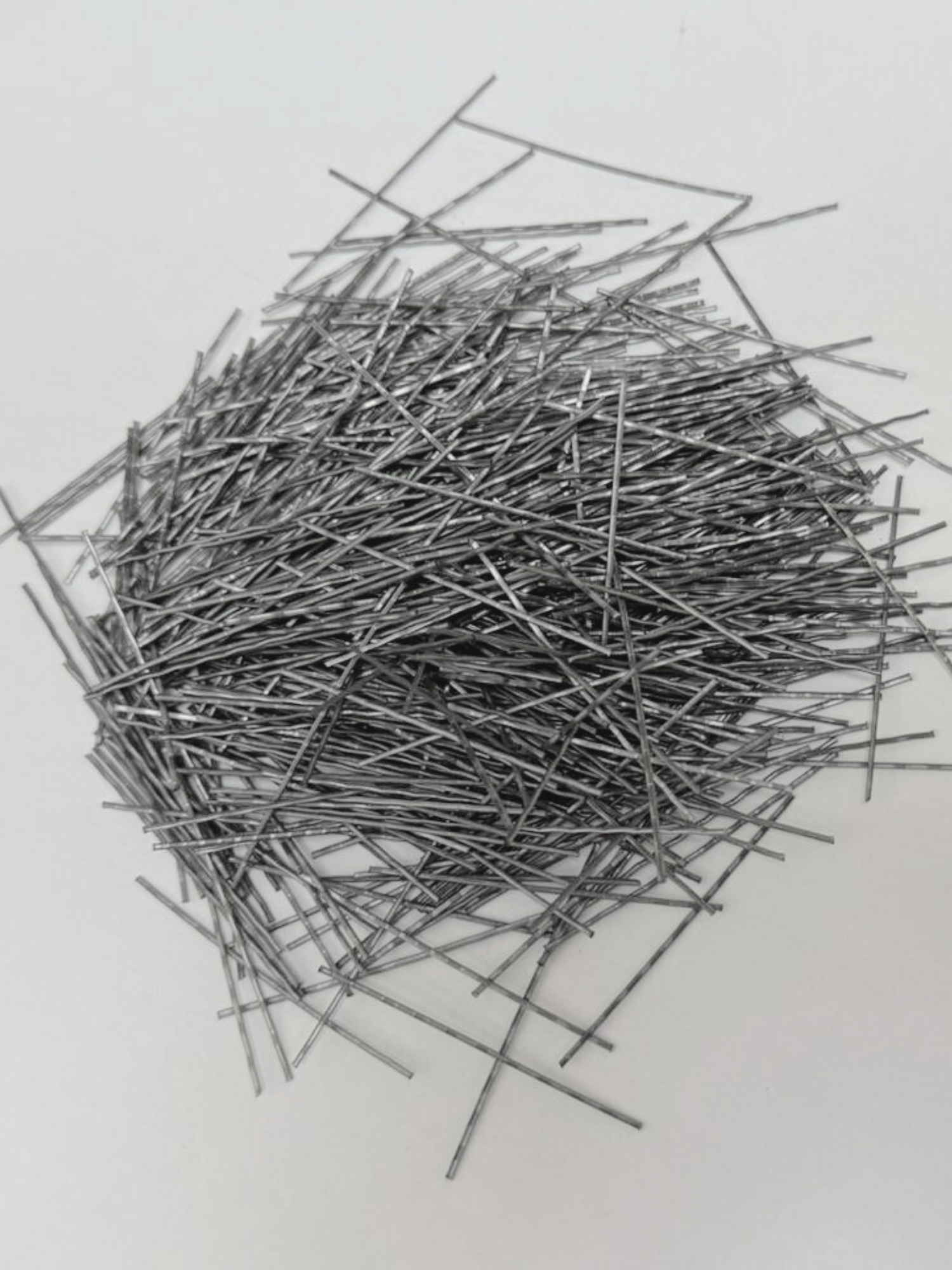
Steel Fiber Applications
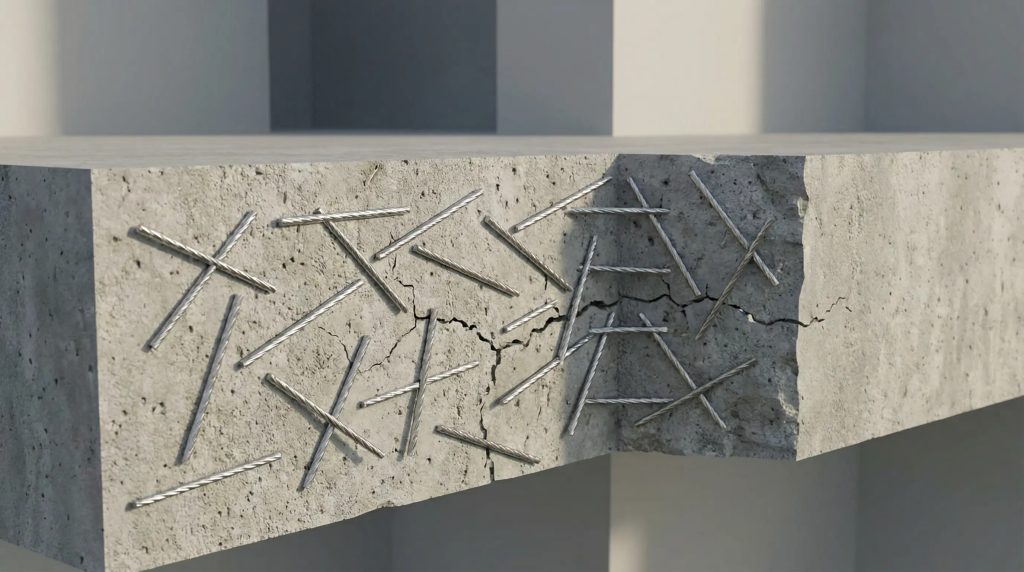
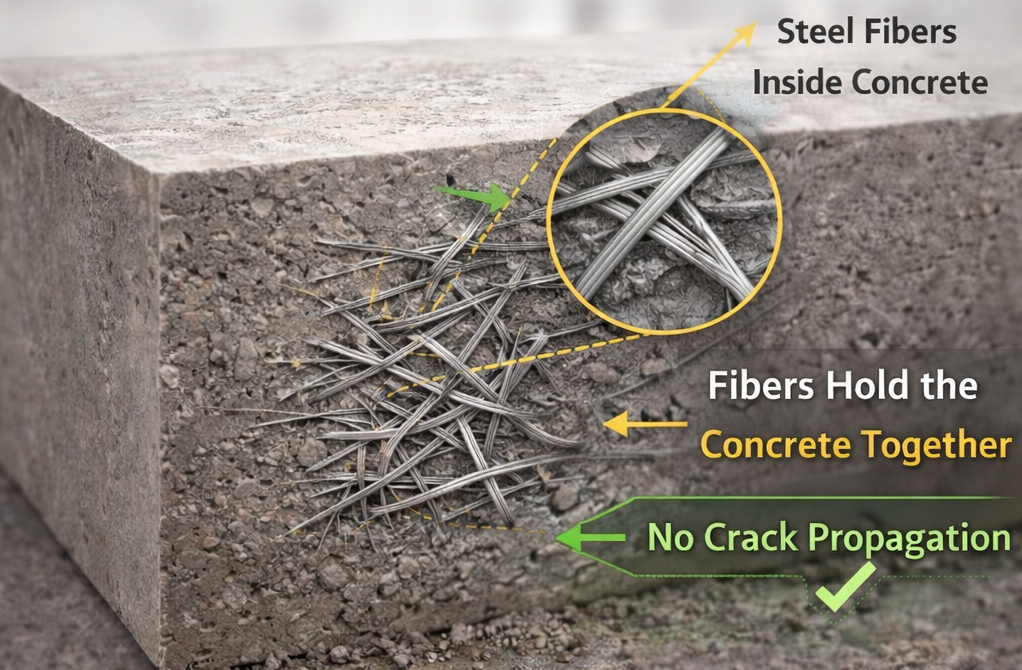
Steel fibers provide structural reinforcement and post-cracking performance in concrete elements subjected to heavy loads and demanding operational conditions.
Typical Applications
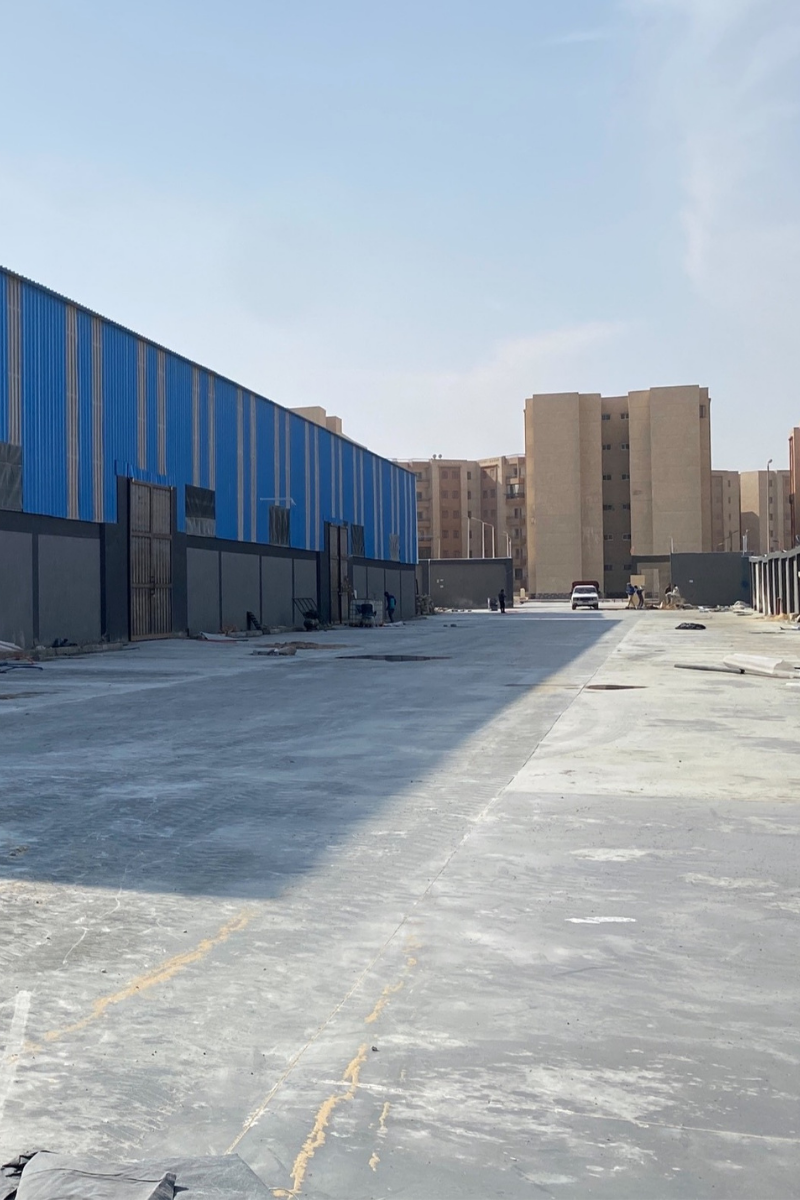
Industrial concrete floors
Warehouse and logistics flooring systems
Heavy-duty slabs on grade
Pavements and container yards
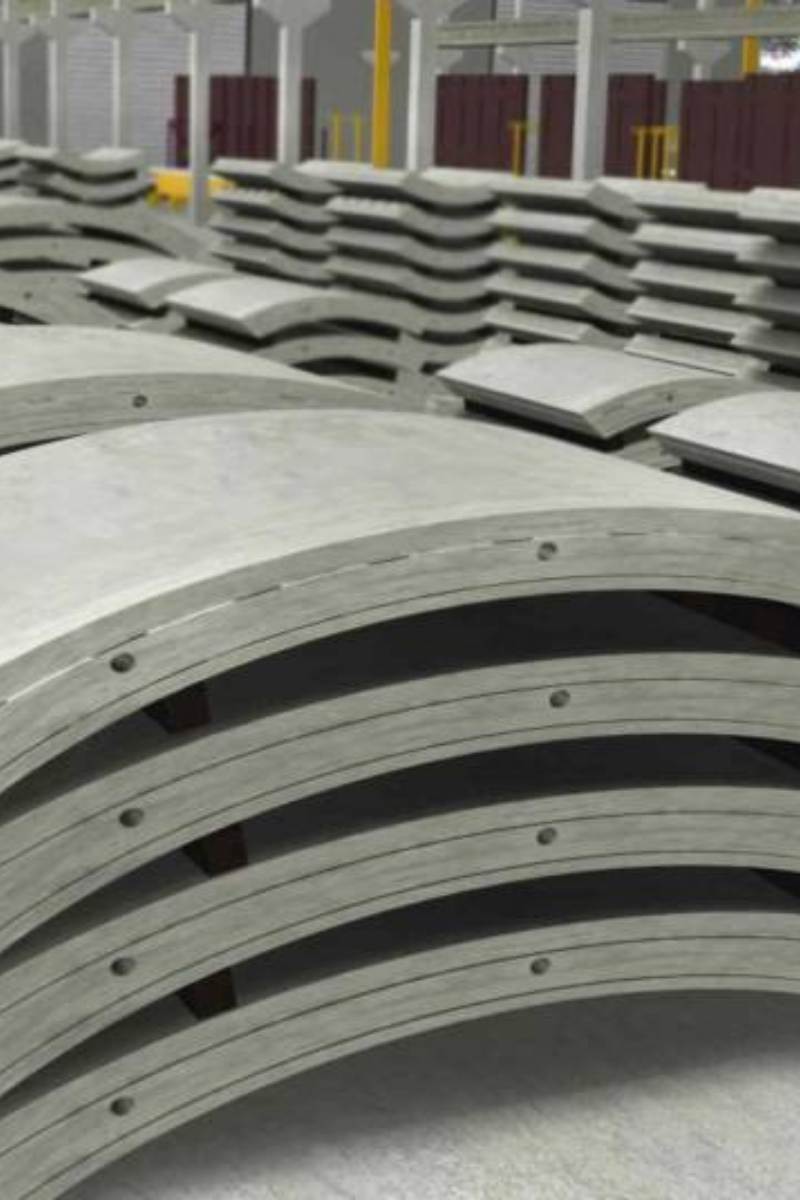
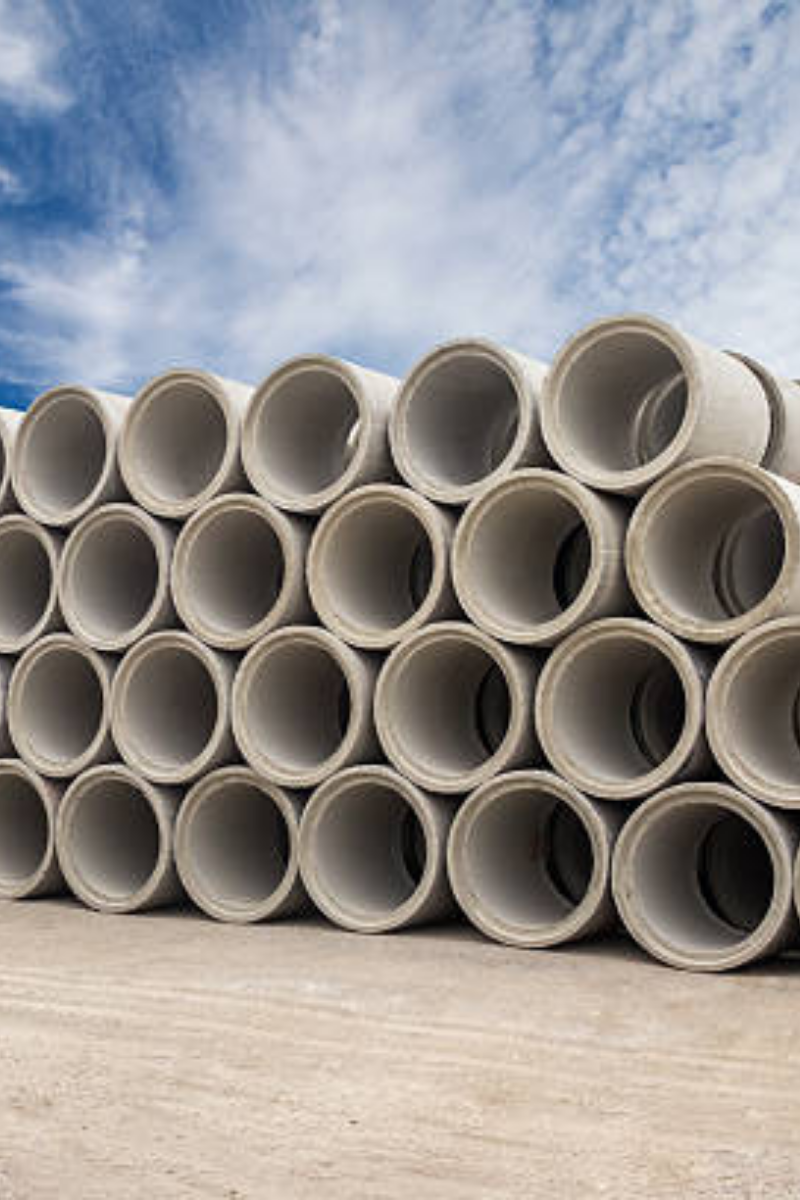
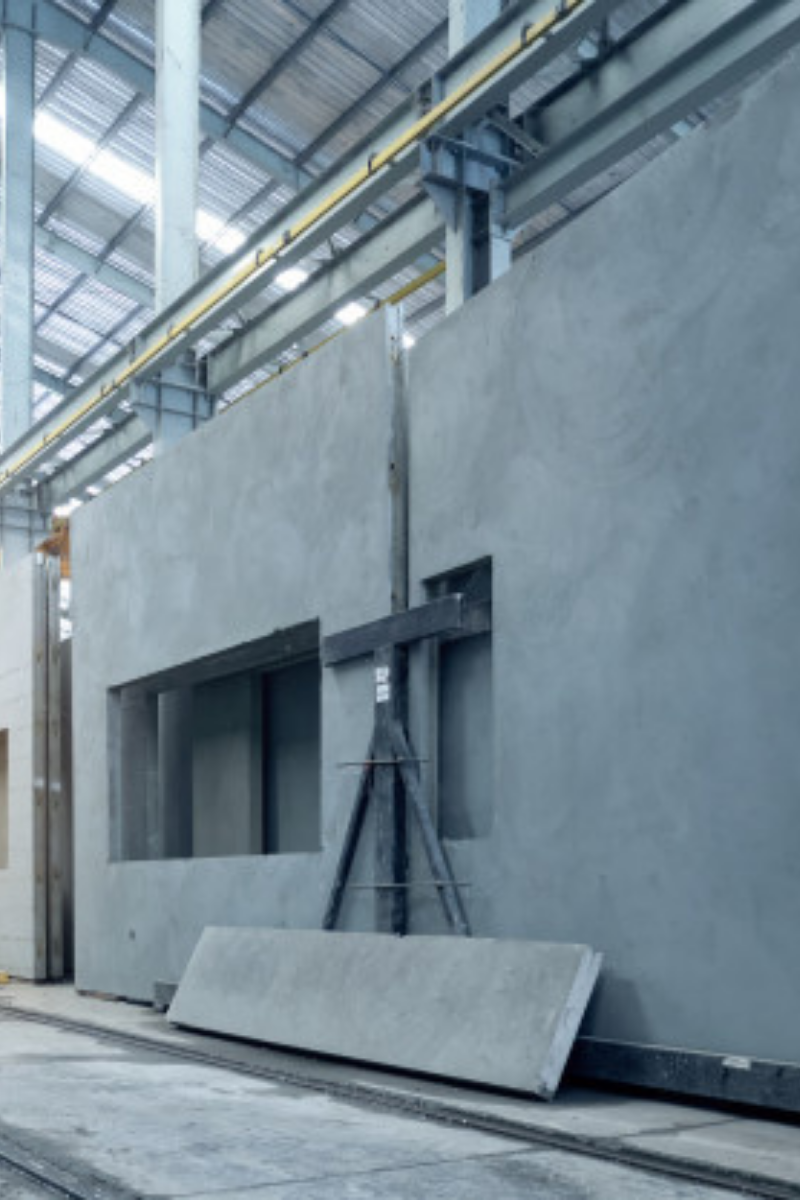
Precast structural elements
Key Benefits
High load-bearing capacity
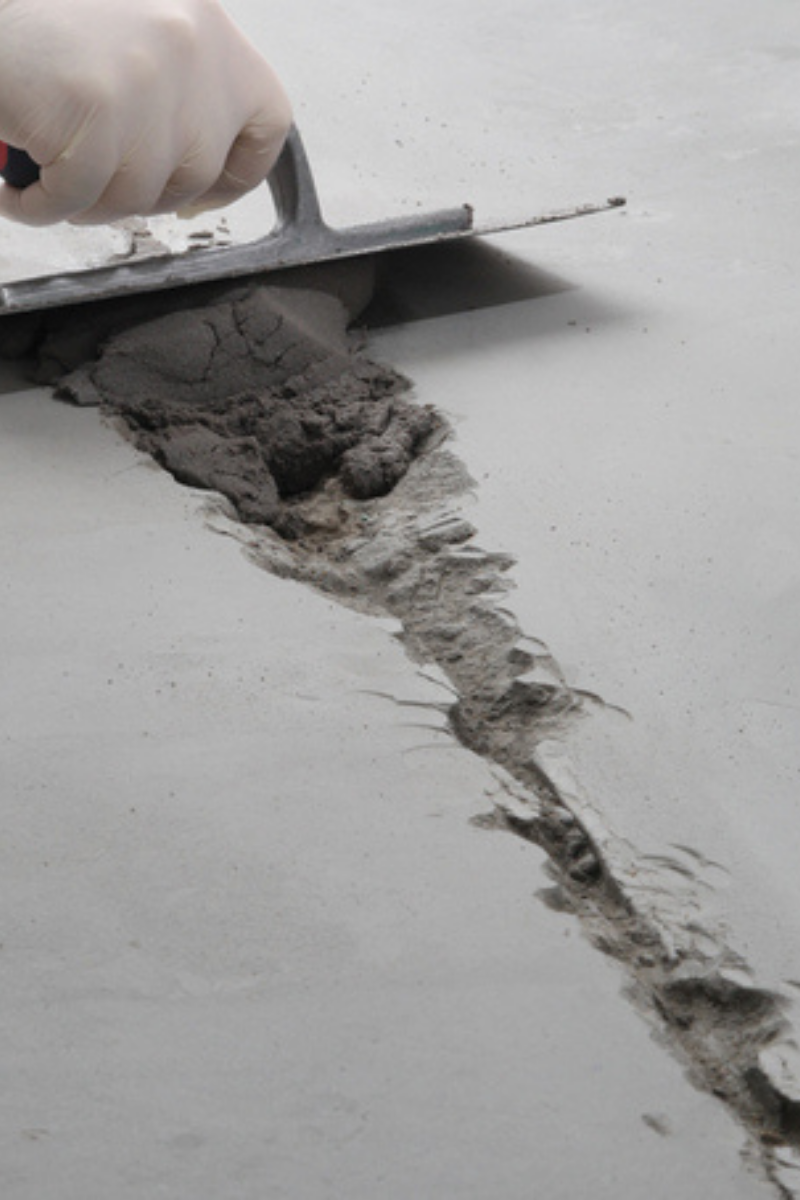
Improved crack control
Enhanced impact and fatigue resistance
Reduced reliance on traditional steel mesh
Steel fibers are widely used in industrial flooring systems and heavy-duty concrete structures.
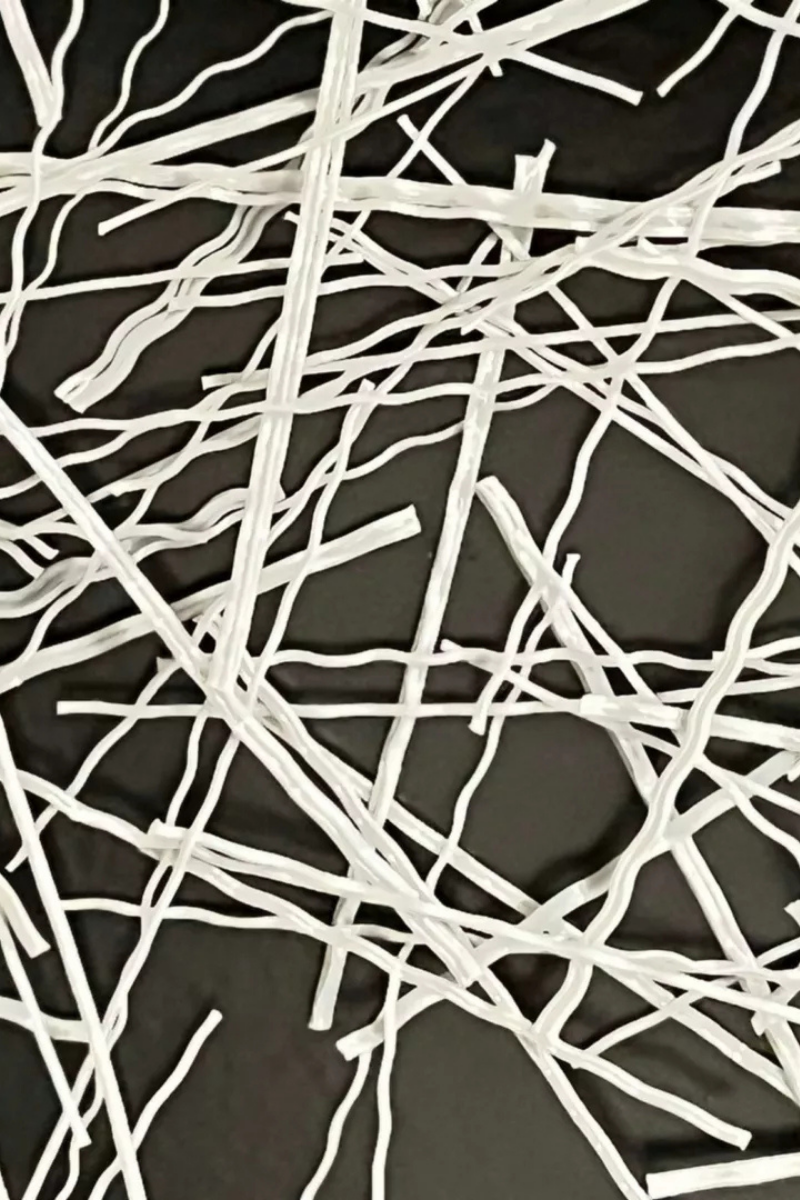
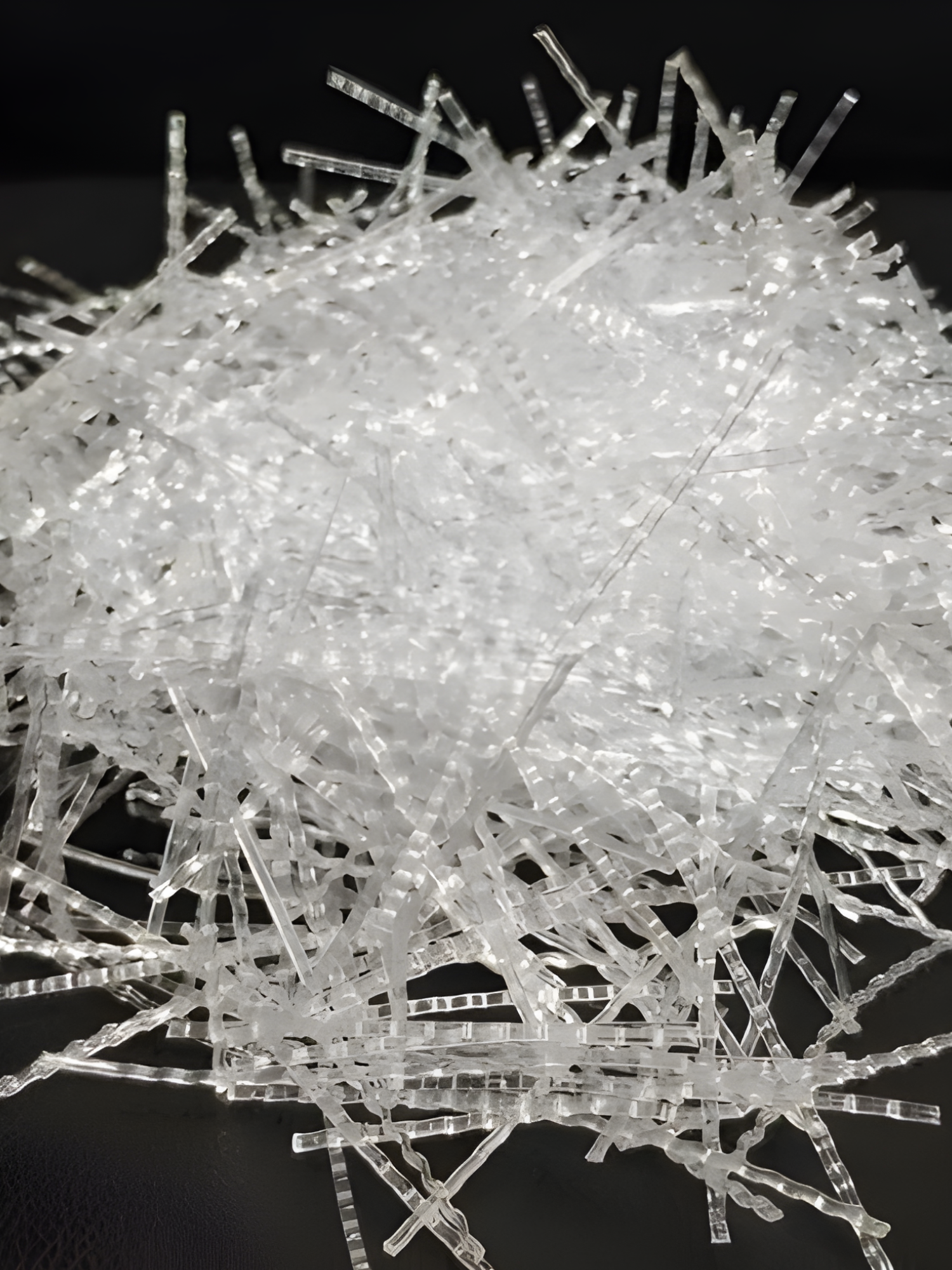
Macro Synthetic Fiber Applications (PolyMacro)
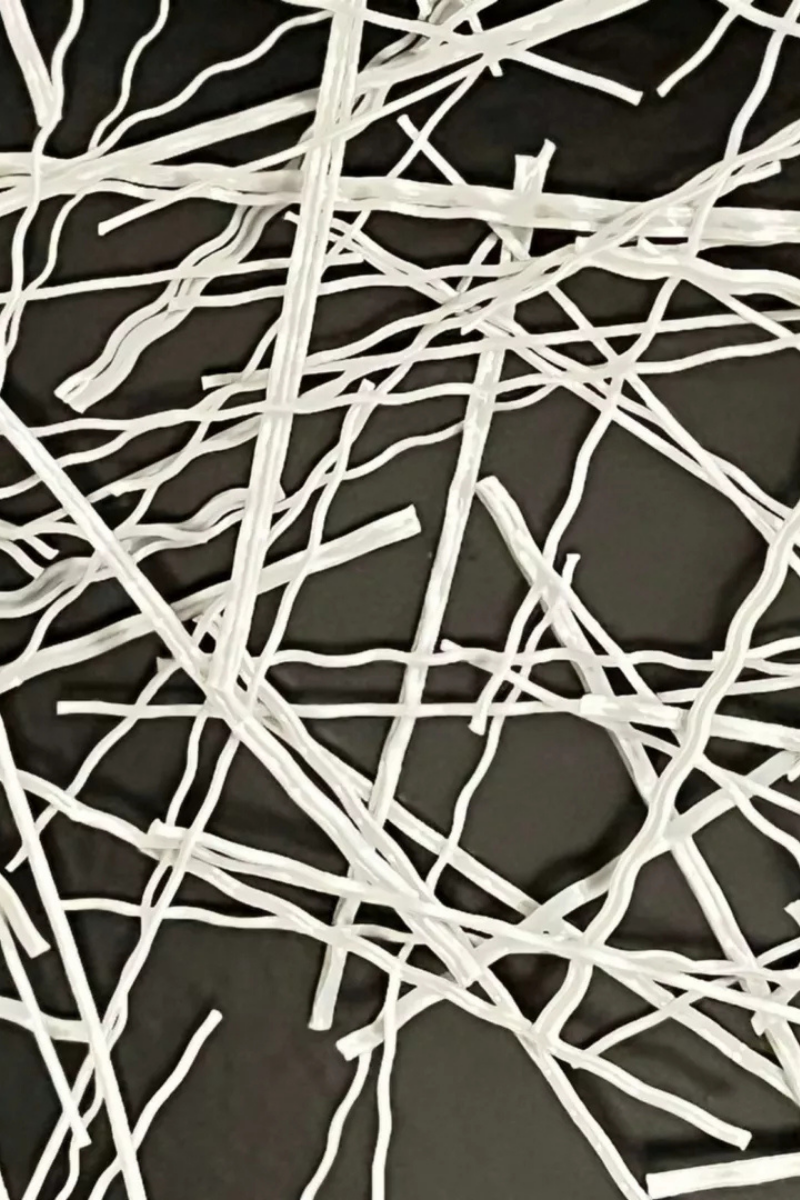
Macro synthetic fibers are engineered polymer fibers designed to provide structural reinforcement and improved toughness in concrete.
Typical Applications
Slabs on grade
Industrial floors with moderate load demands
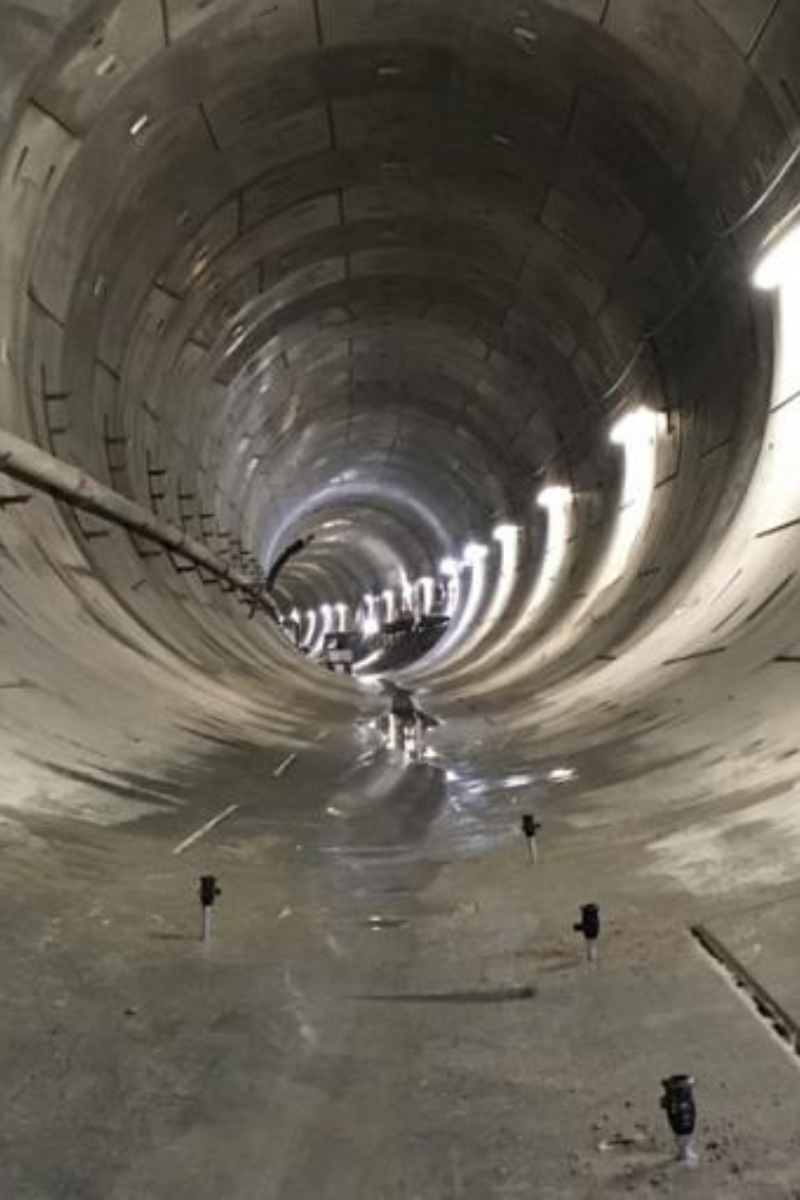
Pavements and infrastructure projects
Precast elements
Key Benefits
Corrosion-free reinforcement
Improved post-crack behavior
Increased concrete toughness
Reduced need for steel mesh reinforcement
Macro synthetic fibers are often used as an alternative reinforcement solution where corrosion resistance and durability are critical.
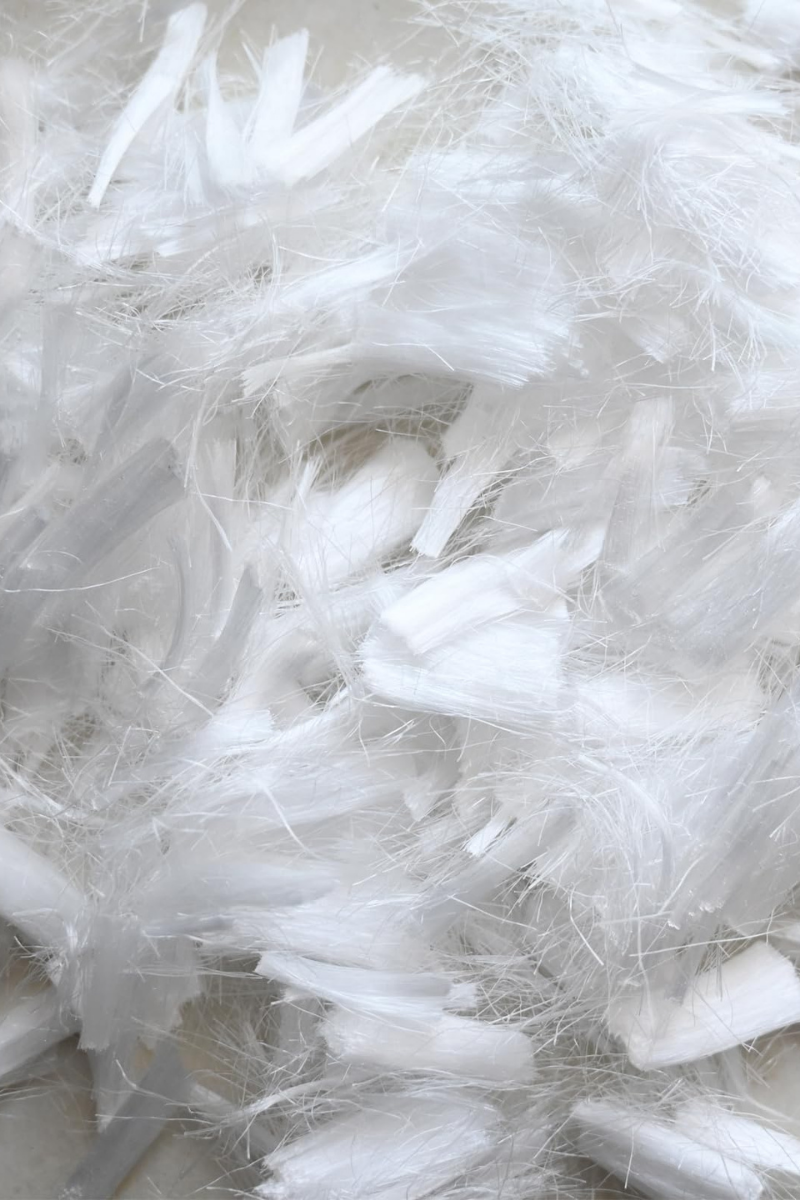
Polypropylene Fiber Applications
Polypropylene fibers are commonly used to control plastic shrinkage and early-age cracking in concrete.
Typical Applications
Industrial slabs
Concrete toppings and overlays
Precast concrete products
Shotcrete applications
Key Benefits
Effective plastic shrinkage crack control
Improved concrete durability
Enhanced surface integrity
Better fire resistance through vapor pressure relief
- Polypropylene fibers are typically used as secondary reinforcement to improve early-age concrete performance.
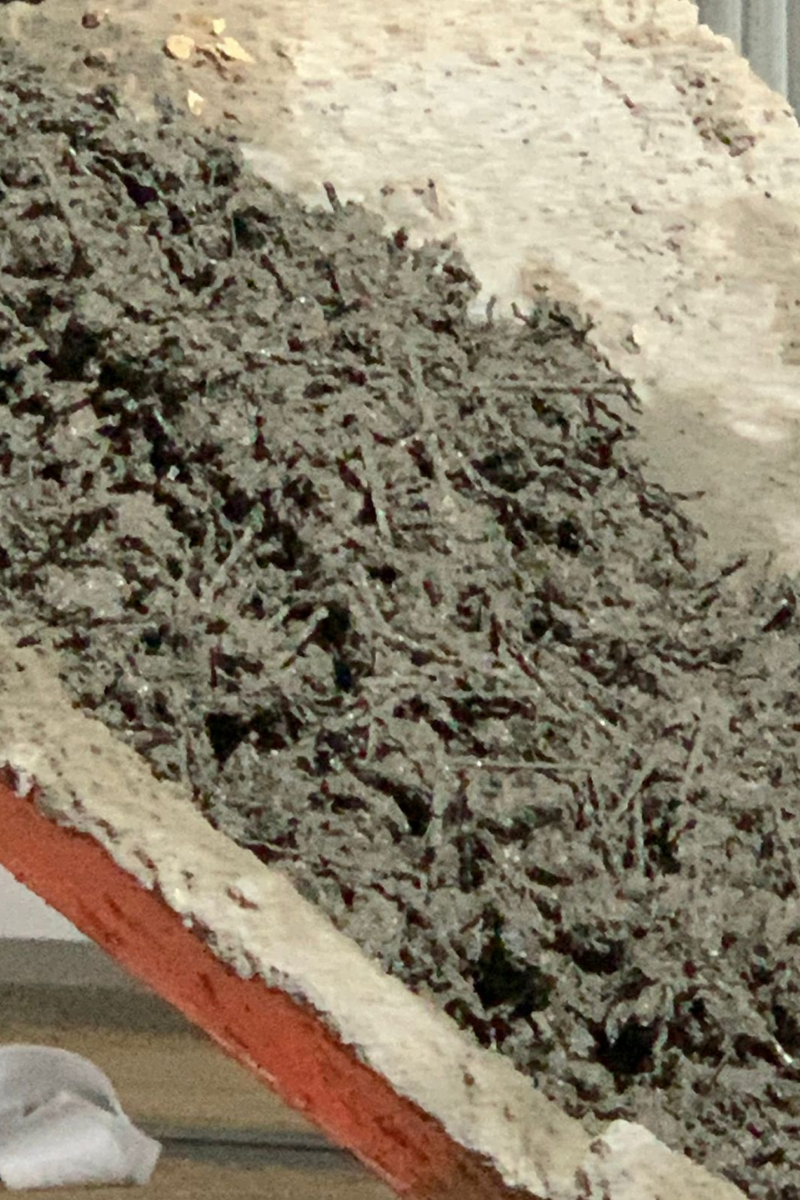
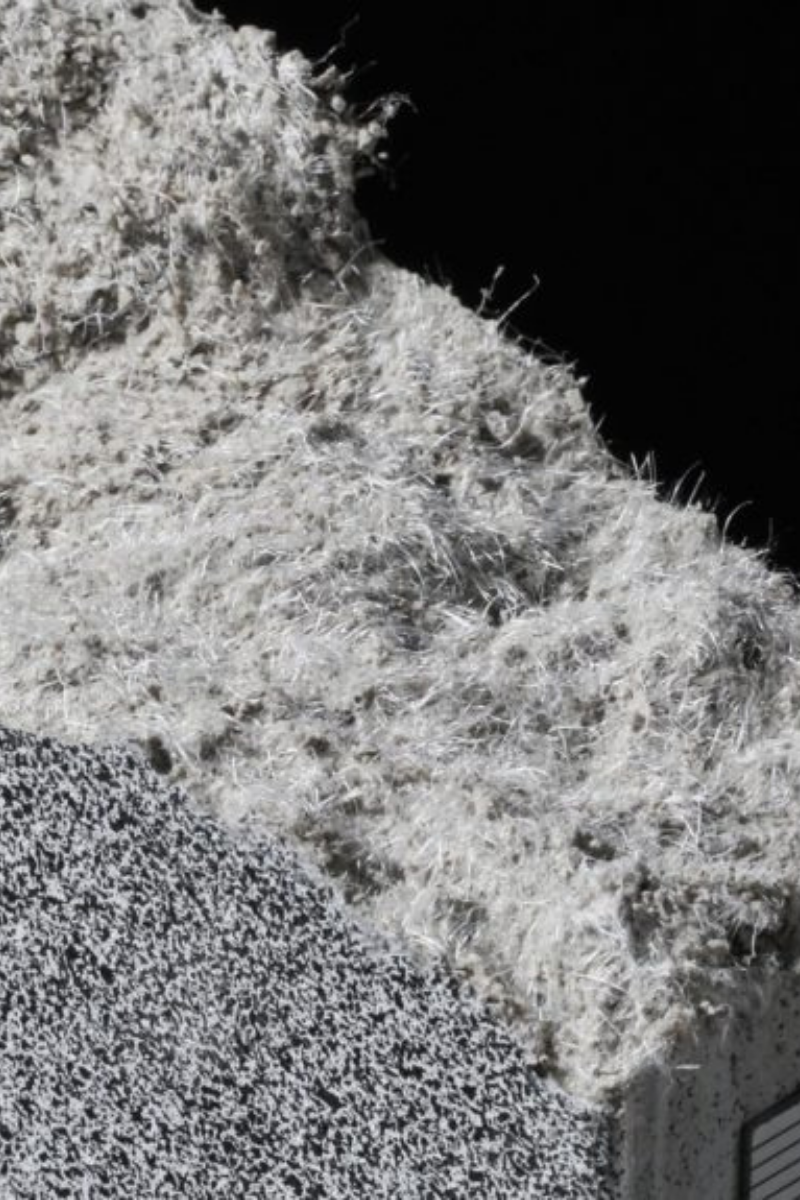
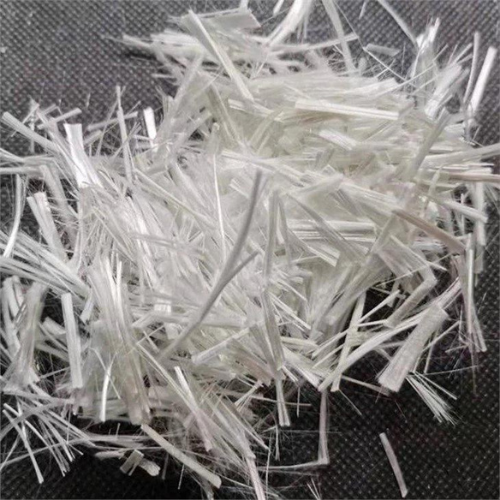
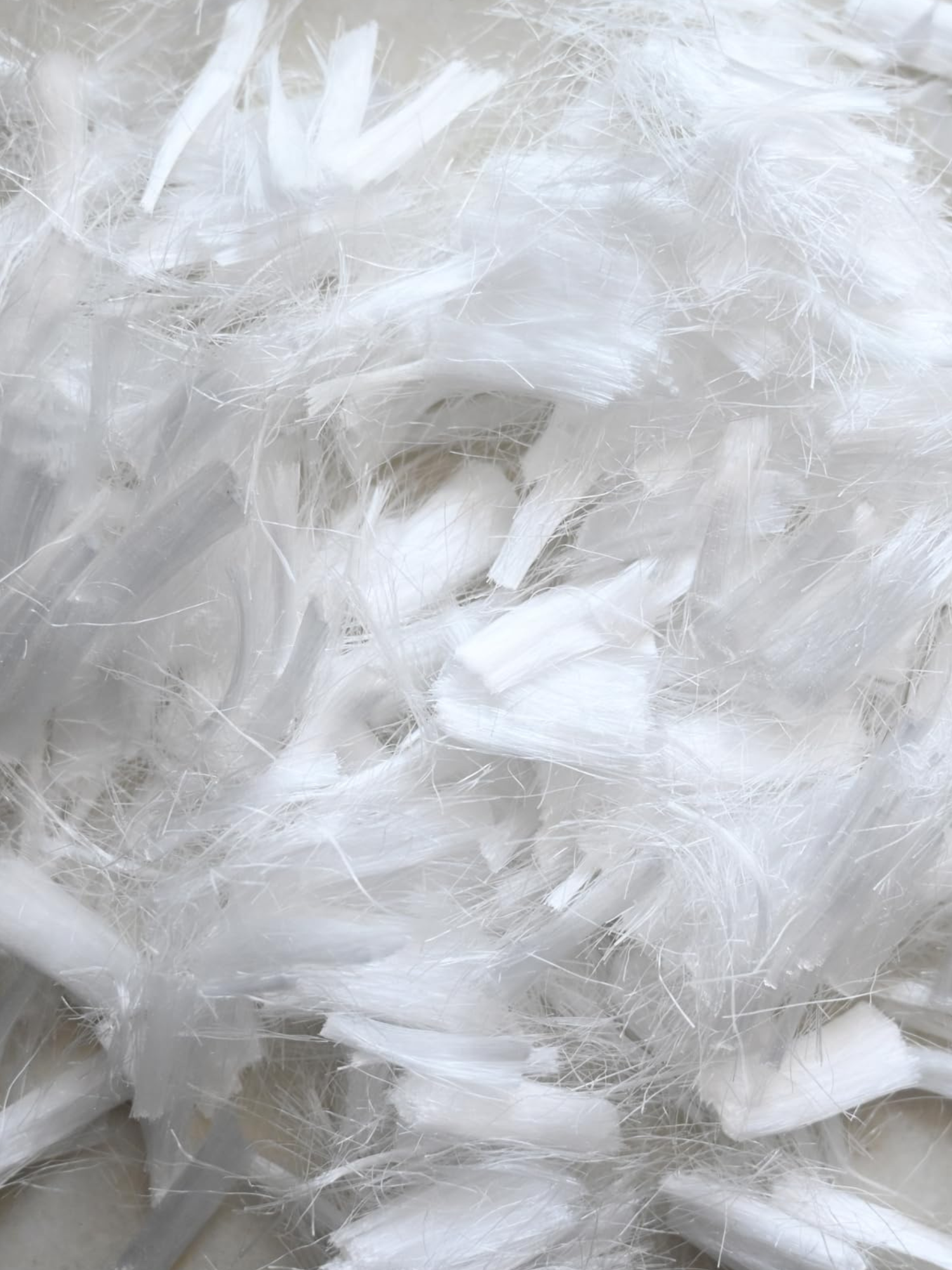
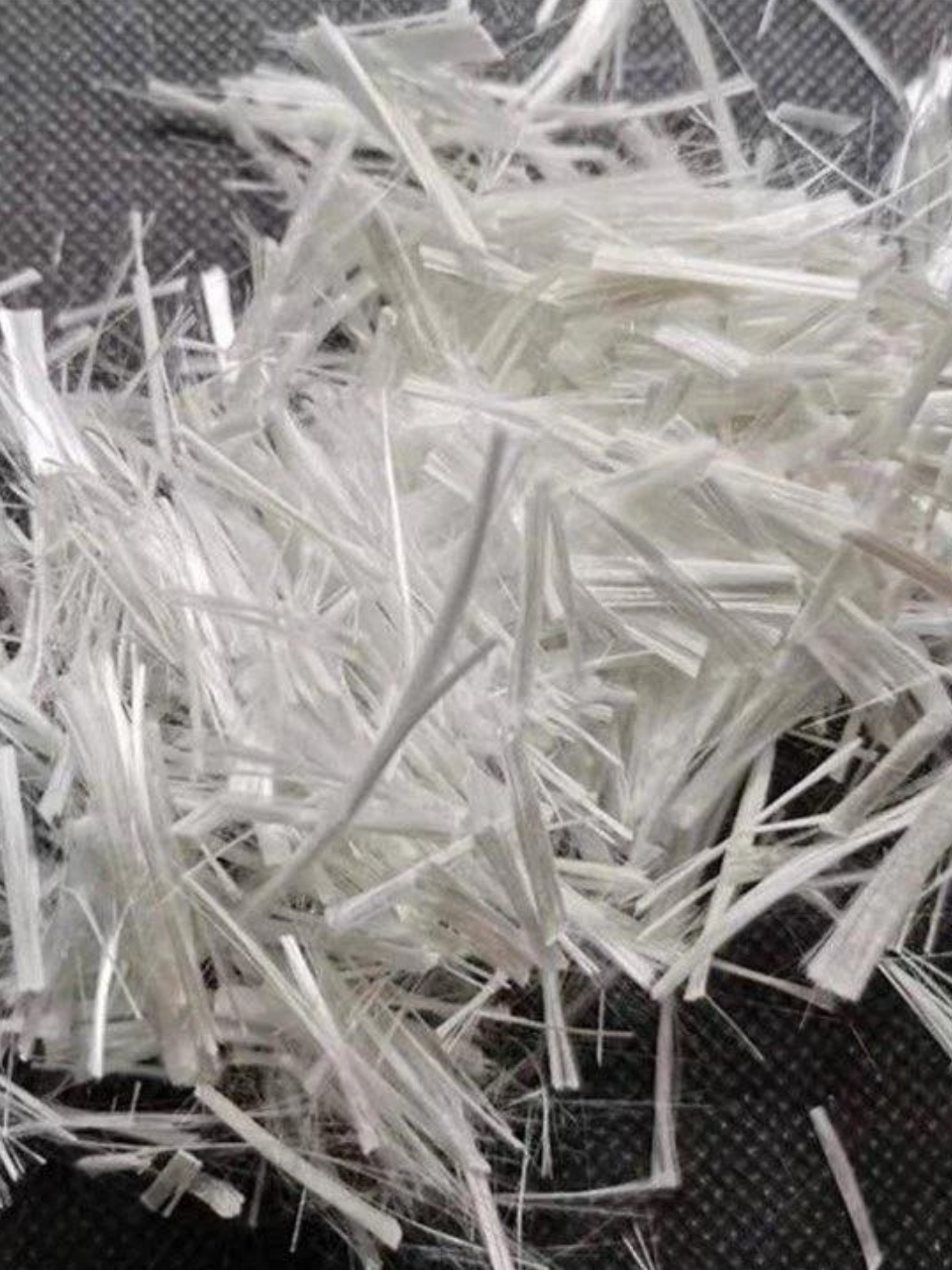
Glass Fiber Applications
Typical Applications
GFRC panels (Glass Fiber Reinforced Concrete)
Architectural concrete elements
Thin concrete sections
Precast decorative panels
Key Benefits
Corrosion resistance
Lightweight reinforcement
Improved surface finish
Enhanced dimensional stability
Glass fiber reinforcement is particularly suitable for architectural concrete and thin-section applications.
Selecting the Right Fiber System
Choosing the appropriate fiber type depends on several engineering factors:
Structural load requirements
Crack control objectives
Environmental exposure conditions
Concrete mix design
Construction methodology
At Egyptian European Steel Fiber (EESF), fiber selection is based on engineering analysis and project-specific performance requirements, ensuring that the reinforcement system delivers optimal results.


Integrated Fiber Engineering Solutions
EESF provides more than fiber supply.
Our approach combines:
Fiber manufacturing
Engineering analysis and design support
Industrial flooring system integration
Technical guidance for proper application
This integrated approach ensures that fiber reinforcement becomes part of a complete concrete performance solution.


Technical Support
Our engineering team assists consultants, contractors, and developers in selecting the most suitable fiber reinforcement system for their projects.